The Functional Benefits of a Smile Makeover
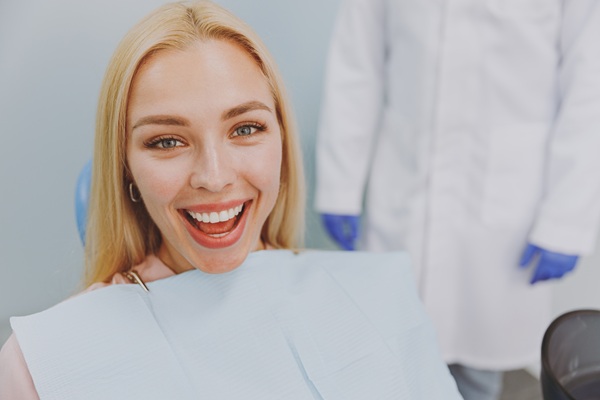
A smile makeover can improve more than appearance by helping teeth work together in a healthier, more comfortable way. A general dentist may recommend a smile makeover to address worn teeth, uneven spacing, bite problems, or older dental work that no longer fits well. When treatment focuses on both function and appearance, patients may notice that daily tasks such as chewing and speaking feel easier.
How function affects comfort
Teeth need to work as a team. When one tooth wears down, shifts, or breaks, nearby teeth often experience increased pressure. That strain can lead to soreness, uneven wear, and difficulty biting into certain foods. A smile makeover gives the dentist a chance to study how the teeth meet, where stress builds, and which areas need support.
Function also affects the jaw and surrounding muscles. A poor bite, which means the way upper and lower teeth come together, may place extra pressure on the jaw joints. Some patients notice tenderness, fatigue while chewing, or tension near the cheeks and temples. By correcting worn surfaces, damaged teeth, or spacing issues, a smile makeover can help create a more balanced bite.
Better chewing and speech
Chewing depends on strong contact between teeth. Gaps, chips, worn edges, or missing teeth can make it harder to break food into smaller pieces. That may cause a person to favor one side of the mouth or avoid certain foods altogether. A smile makeover can restore damaged areas so the teeth share chewing forces more evenly.
Speech can improve as well. Teeth help form sounds by guiding the tongue and lips into position. Small changes in tooth length or spacing can affect how words sound, especially with “s,” “f,” and “th” sounds. A general dentist carefully plans a smile makeover so the teeth support clear speech and daily function.
Common functional goals may include:
- Rebuilding worn or broken tooth surfaces
- Closing spaces that affect bite balance
- Replacing missing teeth
- Improving contact between upper and lower teeth
- Updating older restorations that no longer fit well
These improvements can make eating and speaking feel more natural over time.
Supporting long-term oral health
A smile makeover may also help protect long-term oral health. Teeth that meet evenly often collect less strain during daily use. That can lower the risk of cracks, edge wear, and pressure on certain teeth. It can also make brushing and flossing easier when crowding or spacing problems improve.
Treatment may include crowns, bonding, veneers, implants, or tooth-colored fillings, depending on the patient’s needs. Each option serves a different role, but the goal stays the same: help the teeth function in a stable, healthy way. A smile makeover is not one single procedure. It is a treatment plan built around how the teeth, gums, and bite work together.
Planning the right approach
A smile makeover works best when the dentist considers the full picture, including tooth health, gum health, bite pattern, and daily habits. That planning helps the dentist recommend steps to support comfort, speech, and chewing rather than focusing solely on appearance. For many patients, the functional benefits of a smile makeover become clear during everyday moments such as eating a meal or speaking with confidence. For more information or to schedule an appointment, call our office.
To schedule a consultation, please request an appointment on our website at https://www.sandstondds.com or call Sandston Comprehensive Dentistry at (804) 737-4444 to arrange an appointment at our Sandston office.
Check out what others are saying about our dental services on Yelp: Smile Makeover in Sandston, VA.
Related Posts
If you are debating whether to invest in a smile makeover — or if you have already made this decision — knowing whether a cosmetic dentist is the right professional to trust is your next step. Many people want to go to their regular dentist for cosmetic treatments, but there are advantages to finding a…
Wondering whether you can get cosmetic dentistry treatments from a general dentist? Read on to learn more. The power of a smile is undeniable. A bright set of aligned teeth can make a person look and feel more confident. A cosmetic dentist combines art and science to produce beautiful smile outcomes.Unlike conventional dentistry, which focuses…
Dental restoration can be used to rebuild and restore the function of damaged teeth. They can also be used to restore the aesthetics of damaged teeth. Tooth decay is one of the main reasons teeth become damaged, but other factors like trauma to the face or habits like nail biting or teeth grinding can lead…
A dental restoration is required to restore tooth structure lost due to tooth decay or injury. Dental restorations fix teeth that have been cracked, chipped, fractured or have cavities. Various restoration techniques are intended to restore various degrees of damage. This article reviews different approaches to repairing damaged teeth.There are two kinds of dental restorations:…